 newoaks.ai
newoaks.ai › Blog › websites with chatbots
← All articleswebsites with chatbots

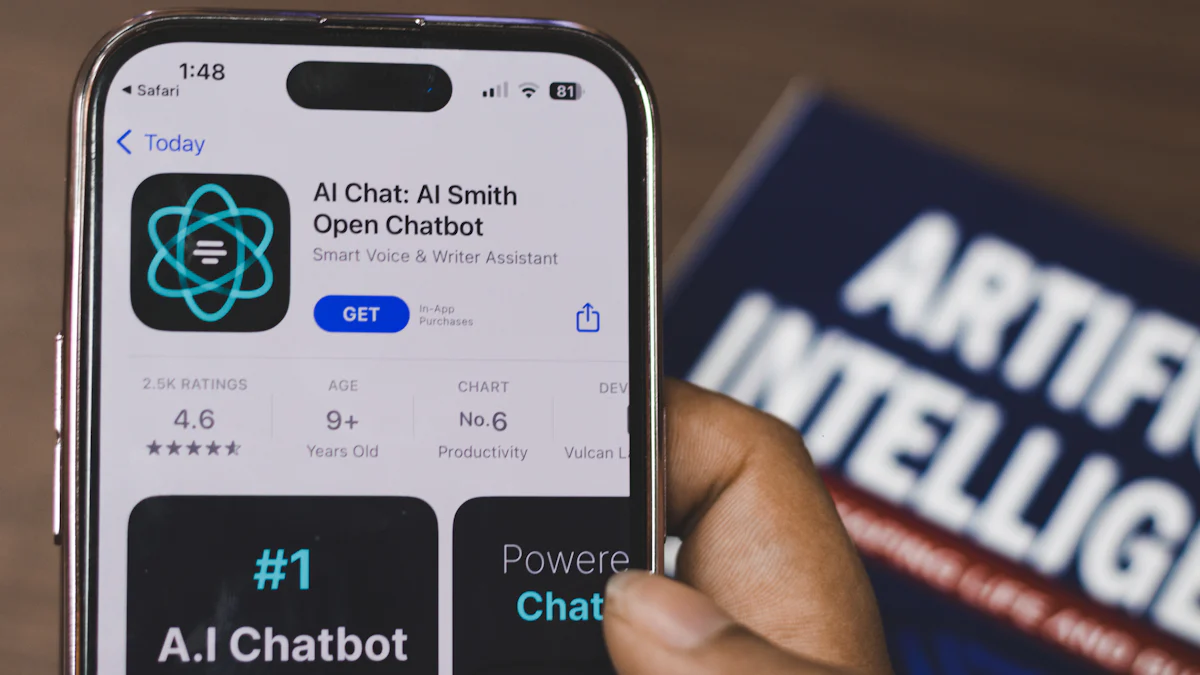
Image Source: pexelsChatbots are conversational tools that simulate human conversations by understanding customer queries and responding automatically. Modern websites with chatbots benefit greatly from these tools. They provide immediate one-on-one responses to commonly asked questions, enhancing customer service and satisfaction. The trend of integrating custom chatgpt into websites continues to grow. Businesses use AI chatbots to engage with customers 24/7, answering questions and providing assistance. Websites with chatbots capture invaluable data by monitoring and recording interactions, offering insights into user behavior and preferences. For those looking for an affordable solution, websites like Wix offer aigpt free options to help build and customize chatbots quickly and efficiently.
Benefits of Using Chatbots on Websites
Image Source: pexels
Enhanced User Experience
24/7 Availability
Chatbots never sleep. They stay active around the clock, ready to assist visitors at any time. This constant availability ensures that users receive help whenever they need it. Imagine a customer with a question at midnight. A chatbot can provide an immediate answer, improving satisfaction and trust.
Instant Responses
Nobody likes waiting. Chatbots deliver instant responses to user queries. Immediate answers reduce frustration and keep visitors engaged. Quick interactions create a seamless experience, making users more likely to return.
Operational Efficiency
Cost Savings
Hiring staff for 24/7 support can be expensive. Chatbots offer a cost-effective solution. Businesses save money on salaries and training. The initial investment in chatbot technology pays off quickly through reduced operational costs.
Scalability
As businesses grow, so do customer inquiries. Chatbots handle increasing volumes of interactions without breaking a sweat. Scaling up customer service becomes easy and efficient. No need to hire additional staff during peak times. Chatbots manage the load effortlessly.
Data Collection and Insights
User Behavior Analysis
Chatbots track every interaction. This data provides valuable insights into user behavior. Businesses can analyze patterns and preferences. Understanding what customers want helps improve products and services.
Personalized Marketing
Data collected by chatbots allows for targeted marketing. Businesses can tailor messages based on user preferences. Personalized marketing increases engagement and conversion rates. Customers feel understood and valued, leading to better relationships.
Implementing chatbots on websites brings numerous benefits. From enhancing user experience to improving operational efficiency, chatbots prove to be a valuable asset. The ability to collect and analyze data further boosts their importance. Embracing chatbot technology can transform how businesses interact with their customers.
Types of Chatbots
Rule-Based Chatbots
Predefined Responses
Rule-based chatbots follow a set of predefined rules. These rules determine how the chatbot responds to specific user inputs. The responses are scripted in advance, ensuring consistency and accuracy. Rule-based chatbots excel in handling straightforward queries. For example, a rule-based chatbot on an e-commerce site can answer questions about store hours or return policies.
Use Cases
Rule-based chatbots work well for simple tasks. Customer service departments use them to handle common inquiries. E-commerce websites deploy them to assist with order tracking. Educational platforms use rule-based chatbots to provide course information. These chatbots offer reliable and predictable interactions, making them ideal for routine tasks.
AI-Powered Chatbots
Natural Language Processing (NLP)
AI-powered chatbots use Natural Language Processing (NLP) to understand and respond to user inputs. NLP enables chatbots to comprehend the context and intent behind user queries. This technology allows AI chatbots to engage in more natural and human-like conversations. For instance, an AI chatbot can understand various ways a user might ask for product recommendations.
Machine Learning Capabilities
AI chatbots also leverage machine learning capabilities. Machine learning allows these chatbots to learn from past interactions and improve over time. AI chatbots can adapt to different conversation styles and become more accurate in their responses. Businesses use AI chatbots for complex tasks like automating business processes and enhancing customer experience. AI chatbots can also develop intelligent knowledge bases, making them versatile and powerful tools.
Understanding the types of chatbots helps in choosing the right one for specific needs. Rule-based chatbots offer simplicity and reliability for routine tasks. AI-powered chatbots provide advanced capabilities for more complex interactions. Both types bring unique benefits, enhancing user experience and operational efficiency.
Implementing Chatbots on Your Website
Choosing the Right Platform
Popular Chatbot Platforms
Selecting a platform for chatbot implementation can feel overwhelming. Many options exist, each with unique features. Popular platforms include Dialogflow, Microsoft Bot Framework, and Wit.ai. These platforms offer robust tools for building and deploying chatbots. Businesses often choose platforms based on ease of use, scalability, and integration capabilities.
Integration with Existing Systems
Integrating chatbots with existing systems ensures seamless operation. Compatibility with CRM systems, databases, and other software is crucial. Integration allows chatbots to access necessary information and provide accurate responses. For instance, an e-commerce site might integrate a chatbot with its inventory system to provide real-time product availability. Proper integration enhances the chatbot's functionality and user experience.
Designing the Chatbot
User Interface Design
Designing an engaging user interface (UI) is essential. A well-designed UI makes interactions intuitive and enjoyable. Elements like buttons, quick replies, and visual cues guide users through conversations. Consistent branding in the chatbot's design reinforces the company's identity. An attractive and functional UI encourages users to interact more with the chatbot.
Conversation Flow
Creating a smooth conversation flow is vital for user satisfaction. The conversation should feel natural and logical. Start with a friendly greeting and guide users through available options. Anticipate common questions and provide clear, concise answers. Use simple language and avoid jargon. A well-planned conversation flow keeps users engaged and satisfied.
Testing and Deployment
Beta Testing
Before full deployment, conduct beta testing. Beta testing involves releasing the chatbot to a small group of users. This phase helps identify any issues or areas for improvement. Collect feedback from testers to refine the chatbot's performance. Address any bugs or glitches that arise during this stage. Beta testing ensures a smoother launch and better user experience.
Monitoring and Optimization
After deployment, continuous monitoring is necessary. Track the chatbot's performance and user interactions. Use analytics to identify patterns and areas for improvement. Regularly update the chatbot to fix issues and enhance functionality. Optimization keeps the chatbot relevant and effective. Continuous improvement ensures the chatbot meets users' evolving needs.
Implementing chatbots on websites involves careful planning and execution. Choosing the right platform, designing an engaging interface, and ensuring smooth conversation flow are key steps. Beta testing and ongoing optimization further enhance the chatbot's effectiveness. By following these steps, businesses can create valuable and engaging chatbot experiences for their users.
Real-World Examples of Websites with Chatbots
Image Source: pexels
E-commerce Websites
Customer Support
E-commerce websites with chatbots provide stellar customer support. Shoppers often have questions about products, shipping, or return policies. A chatbot can handle these inquiries instantly. This immediate assistance boosts customer satisfaction and loyalty. For example, a shopper looking for size information can get an answer right away. No need to wait for a human representative. This quick response time keeps customers happy and engaged.
Product Recommendations
Chatbots on e-commerce sites also excel at offering product recommendations. By analyzing user behavior, chatbots suggest items that match the shopper's preferences. This personalized approach increases the likelihood of a purchase. Imagine a customer browsing for shoes. The chatbot can recommend matching accessories like socks or shoe care products. This not only enhances the shopping experience but also drives sales.
Service-Based Websites
Appointment Scheduling
Service-based websites with chatbots simplify appointment scheduling. Users can book appointments without navigating complex menus or waiting on hold. A chatbot can check availability, confirm bookings, and send reminders. This streamlined process saves time for both the business and the customer. For instance, a salon website with a chatbot can allow clients to book haircuts or treatments effortlessly. This convenience leads to higher customer retention.
FAQ Handling
Handling frequently asked questions becomes a breeze with chatbots. Service-based websites often receive repetitive queries. A chatbot can provide instant answers to common questions. This reduces the workload on human staff and ensures consistent responses. For example, a fitness center's website might use a chatbot to answer questions about membership plans or class schedules. This efficiency improves overall customer service.
Educational Websites
Student Support
Educational websites with chatbots offer invaluable student support. Learners often need help with course materials, deadlines, or technical issues. A chatbot can provide immediate assistance, enhancing the learning experience. Many students report increased confidence in their studies thanks to chatbot support. For example, a student struggling with a math problem can get step-by-step guidance from the chatbot. This support fosters a positive learning environment.
Course Recommendations
Chatbots also help students choose the right courses. By analyzing a student's interests and academic history, chatbots can suggest suitable classes. This personalized guidance helps students make informed decisions about their education. For instance, a chatbot on a university website might recommend elective courses based on a student's major. This tailored advice enhances the educational journey.
Websites with chatbots transform user interactions across various industries. E-commerce sites benefit from improved customer support and personalized recommendations. Service-based websites enjoy streamlined appointment scheduling and efficient FAQ handling. Educational platforms see enhanced student support and tailored course recommendations. Embracing chatbot technology leads to better user experiences and operational efficiencies.
Exploring AI Chatbots: AIGPT Free and Custom ChatGPT
AIGPT Free Chatbots
Features and Limitations
AIGPT free chatbots offer many features that make them attractive for businesses. These chatbots provide basic conversational abilities, allowing users to interact with the website easily. AIGPT free chatbots can answer common questions, provide information, and guide users through simple tasks.
However, AIGPT free chatbots have limitations. These chatbots may struggle with complex queries or nuanced conversations. The predefined responses might not cover every possible user question. Businesses looking for advanced functionalities might find AIGPT free chatbots lacking in some areas.
Use Cases
AIGPT free chatbots work well for small businesses and startups. These chatbots can handle customer inquiries, provide basic support, and assist with navigation. For example, a small e-commerce site can use an AIGPT free chatbot to answer questions about shipping policies or product availability. Educational websites can deploy these chatbots to provide course information and answer common student queries.
Custom ChatGPT Solutions
Tailored Functionalities
Custom ChatGPT solutions offer tailored functionalities that meet specific business needs. These chatbots use advanced AI technologies like Natural Language Processing (NLP) and machine learning. Custom ChatGPT solutions can understand and respond to complex user inputs. Businesses can customize these chatbots to match their brand voice and style.
IBM Blog highlights that generative AI chatbots can adapt to a user's conversation style and show empathy when answering questions. This adaptability enhances user experience and builds trust.
Implementation Strategies
Implementing custom ChatGPT solutions requires careful planning. Businesses should start by identifying their goals and the type of interactions they want the chatbot to handle. Integration with existing systems is crucial for seamless operation. For example, an e-commerce site might integrate a custom ChatGPT chatbot with its inventory system to provide real-time product availability.
Govivace Blog suggests that small organizations can benefit from LLM-based AI chatbots when they have little idea how conversations should evolve. These chatbots can serve as a great starting point, offering flexibility and adaptability.
Continuous monitoring and optimization are essential for maintaining chatbot performance. Businesses should track user interactions and update the chatbot regularly. Clue Labs Blog notes that AI chatbots learn from their experiences and improve over time. Regular updates ensure the chatbot remains effective and relevant.
Chatbots enhance websites by providing 24/7 support, instant responses, and valuable data insights. Businesses can save costs and scale operations efficiently with chatbots. AI-powered chatbots offer sophisticated interactions, improving user experience.
Consider integrating chatbots to boost customer engagement and brand loyalty. Chatbots can transform marketing strategies and operational workflows.
For more information on implementing chatbots, explore further resources or consult with experts. Embrace chatbot technology to stay ahead in the digital landscape.
See Also
Analyzing Automation Solutions for AI Sales Chatbots
Optimizing Website Communication with Twilio Chatbot API
Personalize Shopify Chat Interaction using AI Chatbots